

Guide to Avoiding AI-generated Misleading Functionality and Effect Claims for Non-health Products
This guide explains how to avoid misleading functionality and effect claims when using AI-generated content to promote non-health products . Use this guide to review your product videos, images, and copy before publishing, so shoppers see realistic, supportable product performance.
Please see the Creator Enforcement Policy and Creator Terms of Service for more information. If you think an enforcement action has been taken against you in error, appeal via the TikTok App. Please read our Creator Appeal Guidelines article for more information.
In this guide, you will learn about:
- the most common types of misleading functionality and effect claims;
- simple checks you can use before publishing content;
- high-risk claim patterns across common product categories;
- practical examples of what to avoid and what to do instead.
Best Practices
Use your Product Detail Page (PDP) as the source of truth
- Make sure product content matches the functions, materials, timing, and conditions described on the PDP.
- If the PDP does not mention a benefit, compatibility point, performance level, or special feature, do not add it in your video or copy.
- Define PDP once for your team as the Product Detail Page and use it as the final check before publishing.
Know the most common risk patterns
Risk pattern | What it looks like | Safer approach |
Instant effect | Editing, jump cuts, or staged demos make a product look like it works immediately, even though real results take longer. | Show the real process and realistic timing, or describe the expected timeline clearly. |
Fictional effect | The content claims a feature or benefit that is missing from, or conflicts with, the PDP. | Use only benefits, functions, and claims that are clearly supported by the PDP. |
Exaggerated effect | The content overstates what the product can realistically do, especially in extreme conditions or large-scale use cases. | Describe normal use cases, realistic limits, and typical results. |
Insufficient disclosure | The content skips important setup, charging, curing, or usage conditions that shoppers need to understand the result. | Show the full condition for the result, including setup steps and waiting time where needed. |
Check your content before you publish
- Timing check: Does the content make the product look faster than it really is?
- Scope check: Does the content show a bigger, stronger, or broader result than the product normally delivers?
- Feature check: Are all spoken and written claims clearly supported by the PDP?
- Demo check: Did props, editing, or unrealistic scenarios make the effect look stronger than real life?
- Condition check: Did you clearly show setup, charging, curing, or manual steps when they matter?
Video Examples by Product Category
Use the examples below to spot claim patterns that commonly create risk. Each example keeps the original source video and adds a seller-facing explanation.
1. Portable high-pressure washers and car washers
- Avoid: showing instant deep cleaning or professional-grade results from a small portable washer.
- Why this creates risk: it can imply both instant and exaggerated performance.
- Safer approach: show realistic cleaning speed, realistic dirt levels, and the actual use case supported by the PDP.
2. Handheld, cordless, and car vacuums
- Avoid: saying a mini vacuum has the strongest suction, cleans the whole house, or removes large amounts of debris in one pass.
- Why this creates risk: small vacuums often have limited battery life, dust capacity, and cleaning scope.
- Safer approach: position the product for small-space, spot, or car cleaning if that is what the PDP supports.
3. Floor cleaning tablets and multi-surface cleaners
- Avoid: claiming the product dissolves in seconds and removes heavy outdoor stains or deep grease in one use.
- Why this creates risk: the claim can overstate both timing and cleaning scope.
- Safer approach: show the actual floor types, stain types, and cleaning process described on the PDP.
4. Faucet filter
cotton and filter cartridges
- Avoid: claiming universal faucet fit, advanced filtration layers, or removal of impurities not supported by the PDP.
- Why this creates risk: compatibility and filtration performance must be accurate and product-specific.
- Safer approach: describe only the supported compatibility range and filtration claims shown on the PDP.
5. Sealing putty and repair products
- Avoid: showing a perfect repair that can be sanded, painted, or weight-bearing immediately after application.
- Why this creates risk: products that need drying or curing time should not be shown as instantly finished.
- Safer approach: show the real repair process and the waiting time needed before the next step.
6. Foldable fan lights
- Avoid: showing automatic opening or a much stronger cooling effect than shoppers should expect.
- Why this creates risk: the content may imply features or performance the product does not have.
- Safer approach: show how the product is actually opened and what the airflow looks like in normal use.
7. Eyewear, sunglasses, and wearables
- Avoid: adding lifestyle, comfort, or health-related benefits that are not on the PDP.
- Why this creates risk: ordinary eyewear should not be promoted with unsupported problem-solving or health-style claims.
- Safer approach: focus on supported features such as style, lens type, or ordinary photochromic performance.
8. Knives
- Avoid: showing a knife effortlessly cutting thick bones instantly or performing like a razor in all situations.
- Why this creates risk: the content may overstate sharpness, durability, or intended use.
- Safer approach: demonstrate realistic food-prep use cases and avoid extreme performance scenes.
9. Work shoes and athletic shoes
- Avoid: claiming a shoe will never slip, even on extremely oily slopes or other extreme surfaces.
- Why this creates risk: anti-slip performance usually has limits and conditions.
- Safer approach: use balanced language such as improved grip or everyday anti-slip support only when the PDP supports it.
10. Solar decorative lights
- Avoid: showing oversized projections, dynamic effects, or immediate lighting without realistic charging conditions.
- Why this creates risk: the content can invent unsupported effects and hide important usage conditions.
- Safer approach: show the actual projection style, scale, and normal daytime charging requirement.
11. Yard trimmers
- Avoid: showing a lightweight trimmer instantly cutting tall grass, branches, and wooden sticks as if it were heavy-duty equipment.
- Why this creates risk: the demonstration can exaggerate power and intended use.
- Safer approach: show the materials and vegetation types the product is actually designed to handle.
12. Electric spray cushion combs and styling tools
- Avoid: promising instant straightening, ultra-fast heating, or other styling functions that the PDP does not support.
- Why this creates risk: timing and function claims must match the actual product capability.
- Safer approach: show normal preheating time and only the styling effect described on the PDP.
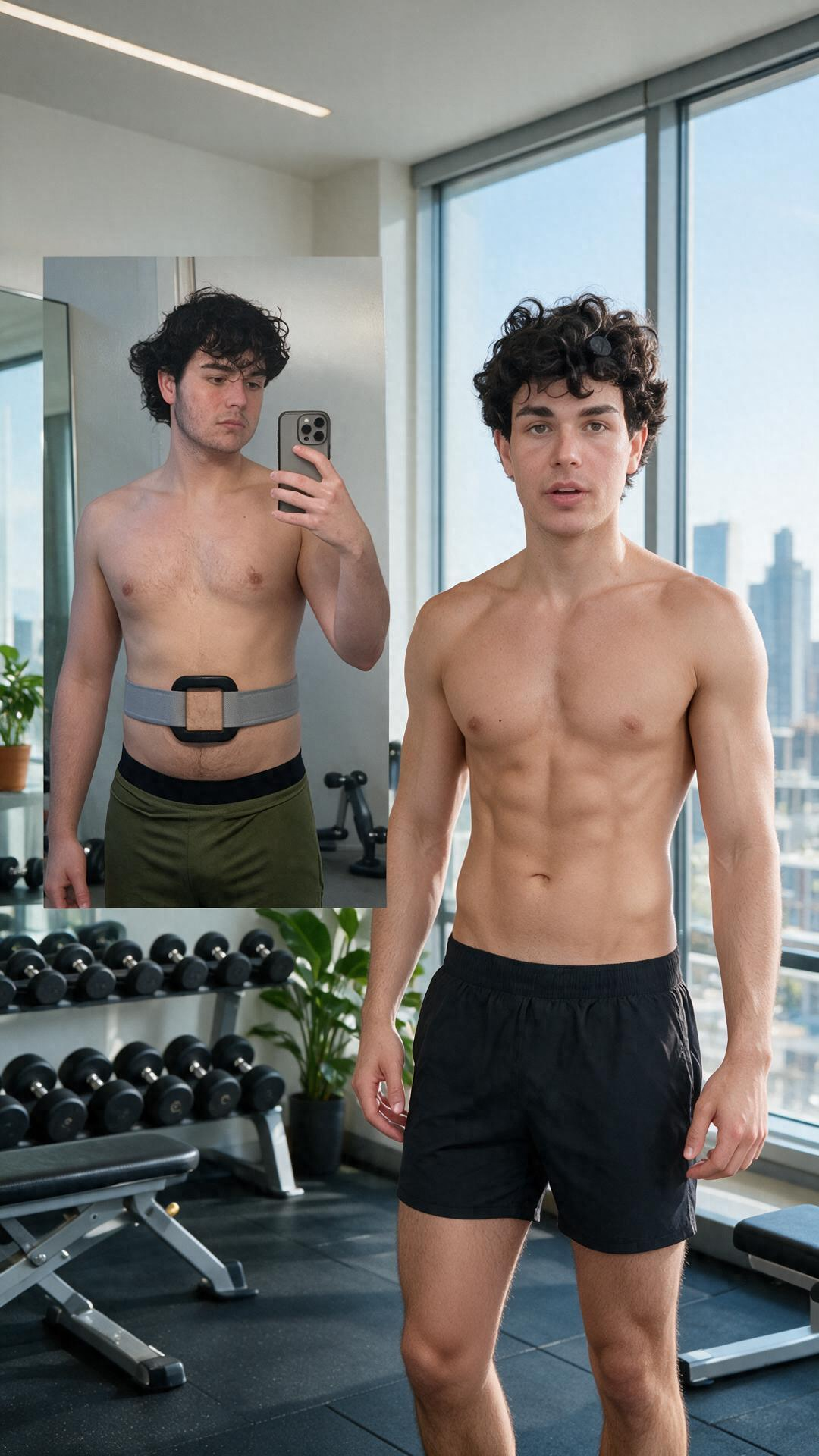
13. Fitness resistance bands, massage guns, and vibration trainers
- Avoid: saying the product equals a set amount of exercise or provides body-shaping, pain-relief, drainage, or other special effects not on the PDP.
- Why this creates risk: these products should not be promoted with unsupported performance or body-effect claims.
- Safer approach: focus on ordinary training, massage, or vibration support claims that the PDP clearly describes.
14. Copper bracelets, magnetic bracelets, and magnetic jewelry
The video audio claims that after 1 week wearing the copper bracelet, the customer "feels more relaxed and sleeps better".
- Avoid: claiming relief for pain, circulation, rheumatism, or other body conditions.
- Why this creates risk: decorative accessories should not be promoted with unsupported health-style benefits.
- Safer approach: market the product as jewelry or an accessory unless the PDP clearly supports another claim.
15. Grounding sleep mats
The audio in the video claims that the grounding sleep mats help with circulation and reduce tiredness.
- Avoid: claiming sleep improvement, inflammation reduction, pain relief, or circulation support.
- Why this creates risk: these are unsupported effect claims when the PDP only describes an ordinary household mat or textile product.
- Safer approach: keep the messaging limited to the product materials and ordinary household use described on the PDP.
16. Washing machine cleaning effervescent tablets
- Avoid: claiming deep mold removal, all-surface use, or safety claims that are not stated on the PDP, especially when using staged dirty-water visuals.
- Why this creates risk: the content may exaggerate cleaning effect and invent unsupported safety or scope claims.
- Safer approach: show realistic maintenance use and avoid staged prop swaps that make the result look more dramatic.
Frequently Asked Questions (FAQs)
Can I show a dramatic before-and-after result if the product really works over time?
You can show a real result, but the timing has to stay honest. Do not use editing or jump cuts that make a product look like it works in seconds when the actual process takes much longer.
Can I describe a benefit that shoppers usually expect, even if the PDP does not say it directly?
No. If the PDP does not support the claim, leave it out. Shopper expectations do not replace product information.
Can I use extreme scenarios to make the product look more impressive?
Be careful. Extreme slopes, heavy grease, oversized spaces, deep mold, or other edge cases can easily make the product look stronger than it really is. Show normal use cases instead.
Can I add a disclaimer if the video is more dramatic than the real result?
A small disclaimer does not fix a misleading main message. The overall impression of the content still needs to be accurate and supportable.
What should I do if I am unsure whether a claim is safe?
Remove the claim or simplify it until it matches the PDP clearly. When in doubt, choose the more conservative version.
Final Publishing Reminder
Before you publish your content, ask one simple question: Would a buyer get the same impression from my PDP and from my content? If the answer is no, revise the content before it goes live.What happens if I breach these guidelines?
If you are found to violate these guidelines, you may have enforcement actions taken against your account. You should note that repeated offenses will result in more significant penalties.Please see the Creator Enforcement Policy and Creator Terms of Service for more information. If you think an enforcement action has been taken against you in error, appeal via the TikTok App. Please read our Creator Appeal Guidelines article for more information.